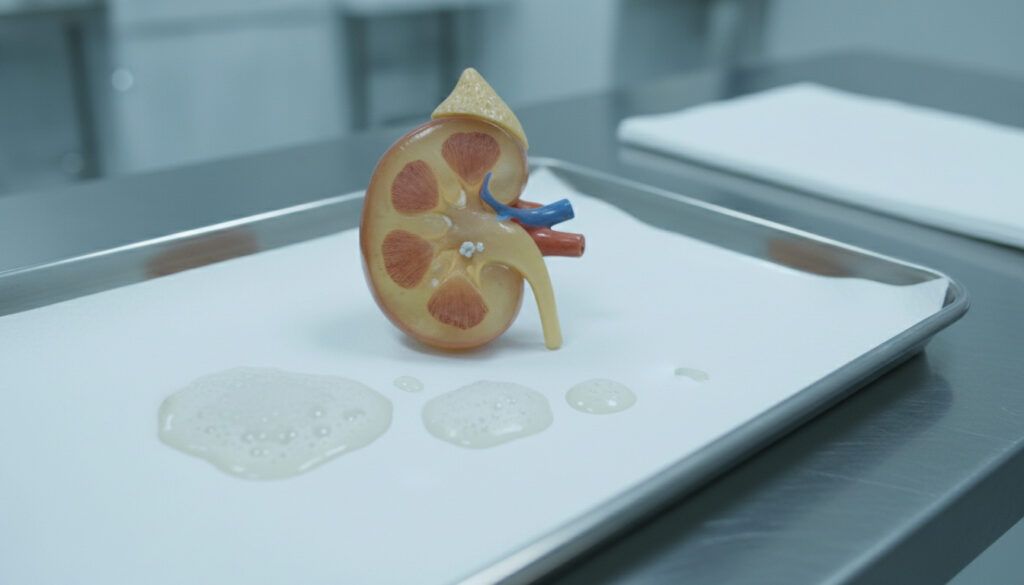
What Is the First Sign of Kidney Problems – 10 Early Signs
Early signs of kidney disease often include foamy urine, changes in urine color or frequency, fatigue, swelling in the extremities, back or kidney pain, nausea, and unexplained loss of appetite. Many individuals, however, experience no noticeable symptoms until the condition reaches advanced stages.
Kidney problems frequently develop silently, with subtle physiological changes that easily mimic other common ailments. The initial indicators rarely announce themselves loudly, instead manifesting through minor alterations in daily bodily functions that many dismiss as temporary inconveniences.
Recognizing these first signals requires attention to urinary patterns, pain locations, and systemic symptoms associated with declining renal function. Medical documentation establishes that early detection significantly alters long-term outcomes for renal health.
What Is the First Sign of Kidney Problems?
Protein leakage from damaged glomerular filters creates persistent bubbles.
Diabetics and hypertensives face elevated probability of renal damage.
Blood creatinine and urine albumin tests provide definitive measurement.
Adequate hydration supports filtration capacity during early phases.
- Foamy urine signals proteinuria resulting from compromised kidney filters according to clinical sources
- Persistent fatigue often stems from anemia or uremic toxin accumulation in the bloodstream
- Peripheral swelling indicates fluid retention caused by sodium processing failures
- Clinical data suggests only 10% of chronic kidney disease cases receive early diagnosis
- Diabetes and high blood pressure remain the predominant underlying causes
- Stage 1 disease typically presents no outward physical symptoms despite internal damage
- Over-the-counter urine strips offer preliminary screening capabilities for home monitoring
| Sign | Physiological Cause | Clinical Threshold |
|---|---|---|
| Foamy Urine | Protein leakage through damaged glomeruli | Persistent bubbles remaining after 30 seconds |
| Fatigue | Anemia from reduced erythropoietin production | Inability to complete routine daily activities |
| Edema | Fluid retention from sodium imbalance | Swelling persisting overnight in ankles or face |
| Hematuria | Blood cells escaping through compromised filters | Visible reddish or cloudy discoloration |
| Nocturia | Reduced urinary concentration capacity | Two or more nightly interruptions to sleep |
| Pruritus | Toxin buildup affecting dermal layers | Chronic itching without allergic triggers |
What Urine Changes Indicate Kidney Issues?
Why Does Urine Become Foamy?
Proteinuria occurs when damaged kidney filters allow albumin to leak into urine, creating persistent foam that remains after flushing. This bubble formation differs from normal toilet foam by lasting several minutes rather than seconds. Clinical guidelines identify this as one of the earliest detectable markers of filter compromise.
Urine tests measuring the albumin-to-creatinine ratio (ACR) detect proteinuria even when foam is not visible to the naked eye. Simple dipstick tests provide immediate protein indicators, though laboratory confirmation remains essential for diagnosis.
What Color Changes Signal Trouble?
Hematuria produces reddish or cloudy urine indicating blood cell escape through damaged filters. Reduced output or dark concentrated urine suggests the kidneys struggle to process waste efficiently. These chromatic shifts often accompany the foamy texture changes, creating compound warning signals.
Does Back Pain Signal Kidney Problems?
Where Is Kidney Pain Located?
Renal pain typically concentrates in the flank region below the rib cage on either side of the spine, distinguishing itself from muscular back pain through its deeper, more constant ache. Research indicates this location corresponds to the anatomical position of the kidneys rather than the lower back or muscle groups.
What Sensations Indicate Kidney Issues?
Burning during urination or sharp flank pain may indicate stones, infection, or organ enlargement. These sensations differ from musculoskeletal pain by their association with urinary function and lack of relief from positional changes. Understanding bodily metrics helps distinguish structural weight-related strain from internal organ distress.
How Do You Know If Your Kidneys Are Failing?
What Are the Symptoms of Stage 1 Kidney Disease?
Stage 1 chronic kidney disease typically presents no outward symptoms despite normal estimated glomerular filtration rate (eGFR) readings above 90 mL/min. Detection occurs through routine screening revealing protein presence in urine rather than patient-reported complaints. Medical documentation confirms this asymptomatic nature complicates early intervention.
When Do Symptoms Become Noticeable?
Clinical manifestations intensify as glomerular filtration rates decline below 30 mL/min, corresponding to Stage 4 and 5 disease. Cleveland Clinic reports that fluid retention, waste accumulation, and systemic symptoms emerge during these advanced phases, often years after initial damage begins.
Blood pressure exceeding 130/80 mmHg, combined with persistent headaches or vision changes, significantly elevates risk for kidney damage. Additional factors include proteinuria, anemia, family history, obesity, smoking, age over 60, heart disease, and frequent urinary tract infections or stones.
Over-the-counter urine strips detect protein or blood but require medical confirmation for diagnosis. Home testing alone cannot establish chronic kidney disease presence or stage.
Stages 1 through 3 often allow for reversible or slowed progression through management of diabetes and blood pressure control. End-stage failure requires dialysis or transplantation, with no complete cure currently available.
How Does Kidney Disease Progress Over Time?
- Stage 1 (eGFR ≥90): Healthy filtration function with protein detected in urine, typically asymptomatic. Research indicates only routine screening reveals this phase.
- Stage 2 (eGFR 60-89): Mild loss of function, usually without outward signs.
- Stage 3a (eGFR 45-59): Mild-to-moderate loss where subtle symptoms may emerge.
- Stage 3b (eGFR 30-44): Moderate-to-severe loss with increased fatigue and potential fluid issues.
- Stage 4 (eGFR 15-29): Severe loss with intensifying symptoms and systemic complications.
- Stage 5 (eGFR <15): Kidney failure requiring dialysis or transplantation.
What Facts Are Established and What Remains Unclear?
| Established Medical Consensus | Uncertain or Evolving Understanding |
|---|---|
| Foamy urine consistently indicates proteinuria from filter damage | Specific 2024 research breakthroughs remain unreported in current literature |
| Diabetes and hypertension cause the majority of kidney disease cases | Individual progression timelines vary unpredictably between patients |
| Stages 1-3 often allow reversible or slowed progression with management | Whether specific foods actively repair kidney tissue versus merely reducing strain requires further study |
| Only 10% of chronic kidney disease cases receive early diagnosis | Long-term outcomes for borderline stage transitions remain under observation |
What Causes Kidney Problems and Who Faces Highest Risk?
Diabetes damages renal vessels through prolonged glucose exposure, while high blood pressure strains the delicate filtration infrastructure. These two conditions account for the majority of chronic kidney disease development in developed nations. Risk stratification identifies additional contributors including proteinuria, anemia, family history, obesity, smoking, age over 60, heart disease, and frequent urinary tract infections or kidney stones.
Secondary risk emerges from lifestyle factors and comorbid conditions. Statistical analysis of patient populations reveals that managing these variables significantly alters disease trajectories. Prevention protocols emphasize monitoring blood pressure and glucose levels, smoking cessation, adequate hydration, and limiting sodium and NSAID consumption.
What Do Leading Medical Institutions Report?
Chronic kidney disease progresses slowly through five distinct stages, with early phases often producing no symptoms despite measurable protein loss in urine.
Mayo Clinic
Early detection allows management of underlying causes, while advanced stages require dialysis or transplant with no available cure for end-stage renal disease.
Cleveland Clinic
Only 10% of those with chronic kidney disease know they have it, as symptoms often mimic other conditions or remain absent until significant damage occurs.
National Kidney Foundation
What Are the Key Takeaways for Kidney Health?
Early detection hinges on recognizing foamy urine, persistent fatigue, and peripheral swelling while understanding that stages 1 and 2 typically present no outward symptoms. Regular screening through blood and urine tests remains essential for diabetics, hypertensives, and those over 60, as these populations face elevated risk for silent progression toward renal failure.
Frequently Asked Questions
Can you recover from kidney failure?
Early stages (1-3) often allow reversible or slowed progression through diabetes and blood pressure management. End-stage failure requires dialysis or transplant, with no complete cure available.
What are the 5 signs of kidney failure?
Severe fatigue, persistent nausea, fluid retention causing swelling, changes in urine output or color, and uncontrolled high blood pressure typically indicate advanced kidney failure.
What foods help repair kidneys?
No specific foods repair kidney tissue, though balanced diets low in sodium and excess protein reduce strain. Focus on fruits, vegetables, and whole grains while limiting processed foods.
Is foamy urine always a sign of kidney disease?
Not necessarily. Temporary foaminess can result from rapid urination or dehydration. Persistent foam remaining after 30 seconds suggests proteinuria requiring medical evaluation.
How long can you have kidney disease without knowing?
Years or decades. Only 10% of cases receive early diagnosis, as stages 1-3 often produce no symptoms while damage progresses internally.
How often should you get tested for kidney disease?
Annual screening is recommended for diabetics, hypertensives, and those over 60. Others should consult physicians regarding personal risk factors and appropriate testing intervals.
More related posts
 Why British Tourists Are Abandoning Spain for Africa
 The Amazing Spider-Man: Hit or Flop? Gwen’s Death & More
 Hot Milk (Film): Plot, Cast, Reviews & 2025 Release Date
 Marc Cucurella: Biography, Transfer News & Fan Views
 Alan Yentob obituary: BBC creative director dies aged 78
 R. Kelly Net Worth 2025: -$2M After Legal Debts
 Mark Williams Snooker: Net Worth, Family & Ranking
 How to Stop Snoring Immediately: Fast Remedies That Work Tonight
